off road smart Answers to the Questions Riders Ask Most
Mud races, obstacle courses and timed sprints are the three formats that fill weekend calendars across the off-road scene, and every one of them attracts the same flood of questions from riders who are thinking about entering their first event. What should I bring? How do I prepare the machine? What actually wins races? This guide answers the questions riders ask most, with practical answers that apply whether you race for trophies or just for the fun of a muddy Saturday.
What is the smartest way to prepare a machine for a mud race?
Preparation beats modification every time. More races are lost to unprepared machines than to faster rivals, and the off road smart approach starts with the basics: fresh fluids, a clean air filter, correct tire pressures and a careful check of the belt and clutch. A machine that is simply healthy will outperform a modified machine that is tired. Save the fancy parts for later and spend the budget on maintenance first.
How do obstacle courses reward different skills?
Obstacle events punish hesitation and reward observation. The fastest riders walk the course before the event, note the hard lines and the soft lines, and pick a route that suits their machine. Obstacle courses also reward machines that are easy to control at low speed, where precision beats power. Riders who practice slow-speed control are the ones who glide through sections that trap the throttle-happy, and that skill transfers to every other discipline.
What does a timed sprint really test?
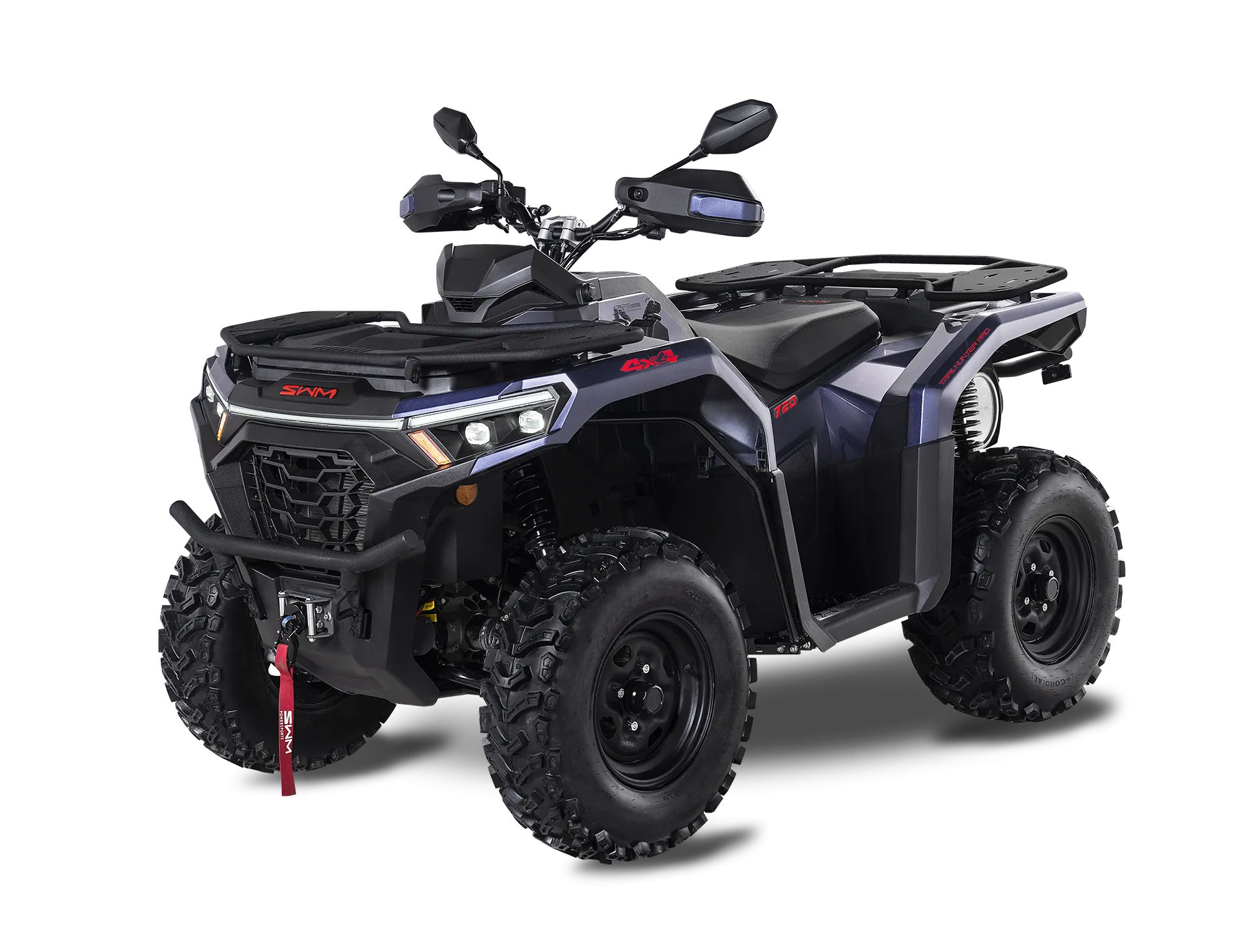
A timed sprint looks simple: go from the start line to the finish as fast as possible. In practice, it tests braking, cornering and the ability to carry speed through transitions. The smart atv riders know that the race is won in the corners, not on the straights, and they practice late braking and early acceleration until both feel automatic. Consistency matters too; the riders who win series are the ones who post similar times in every heat, not one brilliant run and two mediocre ones.
Do I need special equipment to start racing?
You need safe equipment, not special equipment. A good helmet, gloves, boots and eye protection cover the essentials for club-level events, and many riders start with the gear they already own. The smart off road approach is to upgrade equipment in the same order you would upgrade a machine: safety first, comfort second, style last. Ask the event organisers for their rules before you buy anything, because requirements vary between clubs.
How do I choose which events to enter?
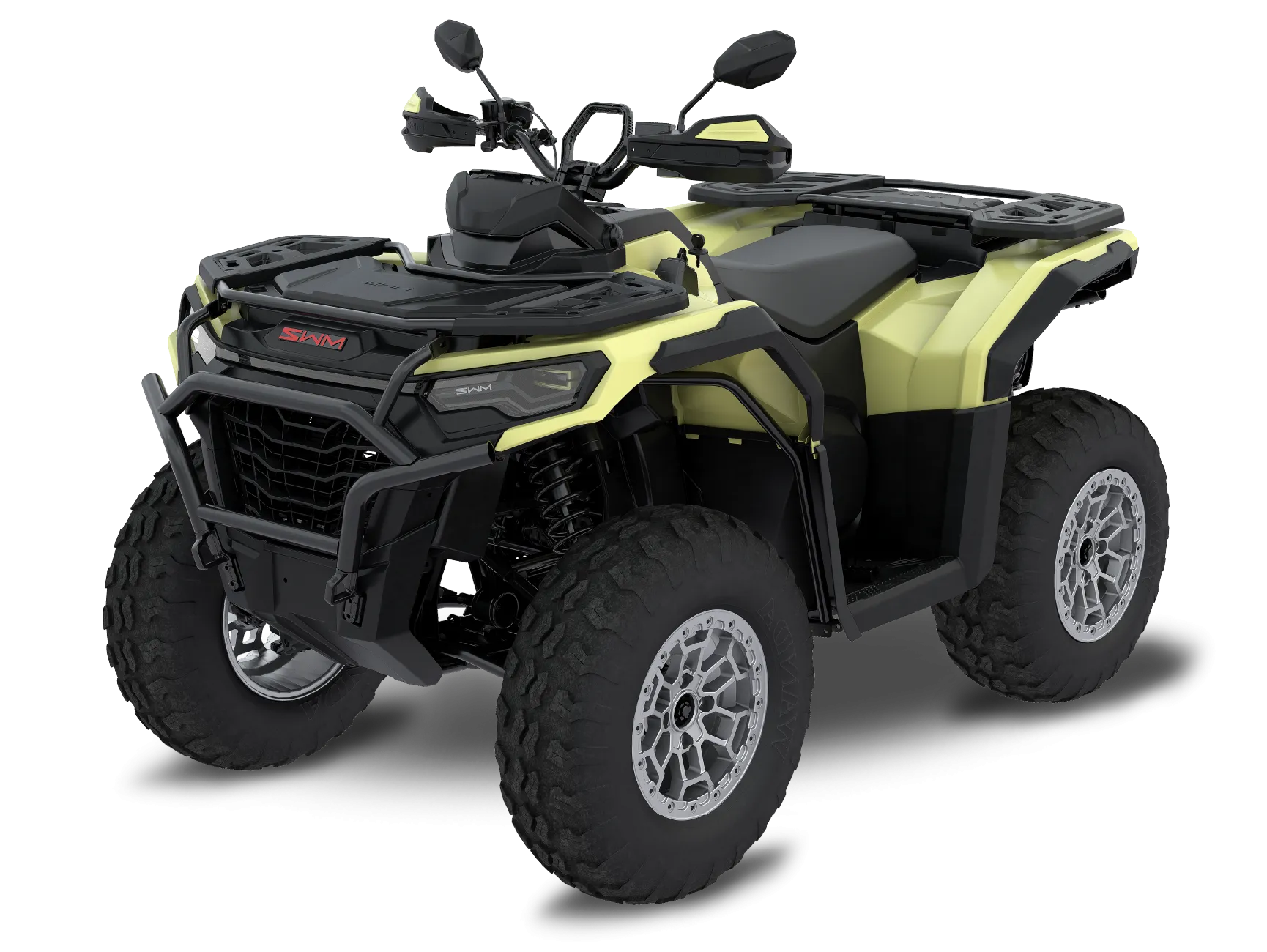
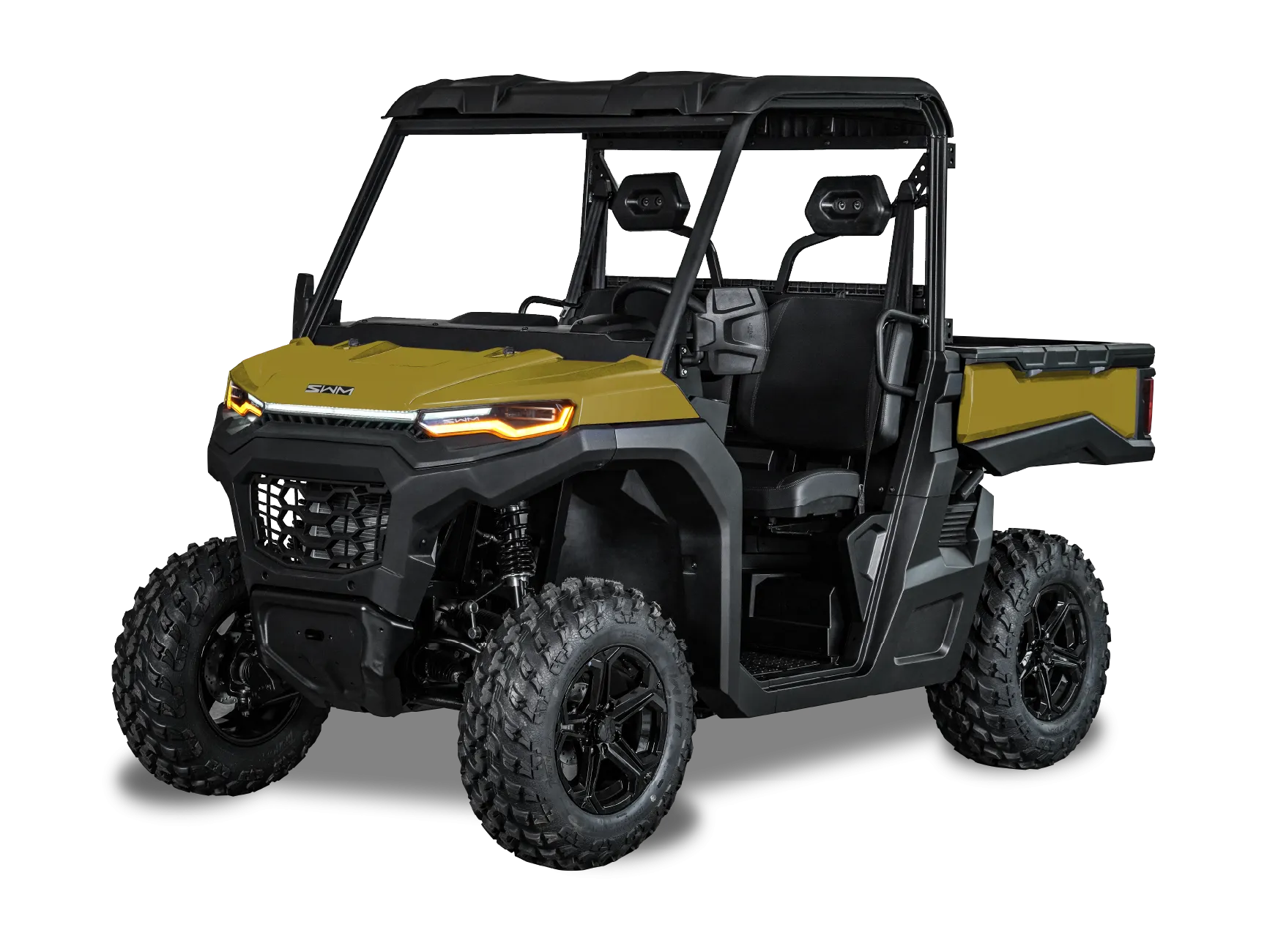
Start with the event closest to home and the format that matches your machine. If you ride a two-seat touring machine, a club-level obstacle day is a better first event than a full-contact mud race. Talk to the riders who already race; the community is famously welcoming to newcomers, and the advice you get at the track is worth more than anything you will read online. Every expert at the track was once a first-timer parked at the back of the paddock.
What should I do on race morning?
Arrive early, walk the course, and do one last check of the machine. Then ignore the nerves and focus on the routine: helmet on, gloves on, one deep breath, and the same start procedure you practised at home. The riders who perform best on race day are not the least nervous; they are the ones with a routine that carries them through the nerves. Remember that the goal of your first event is to finish, learn and enjoy it, and the results will follow naturally as the season goes on.